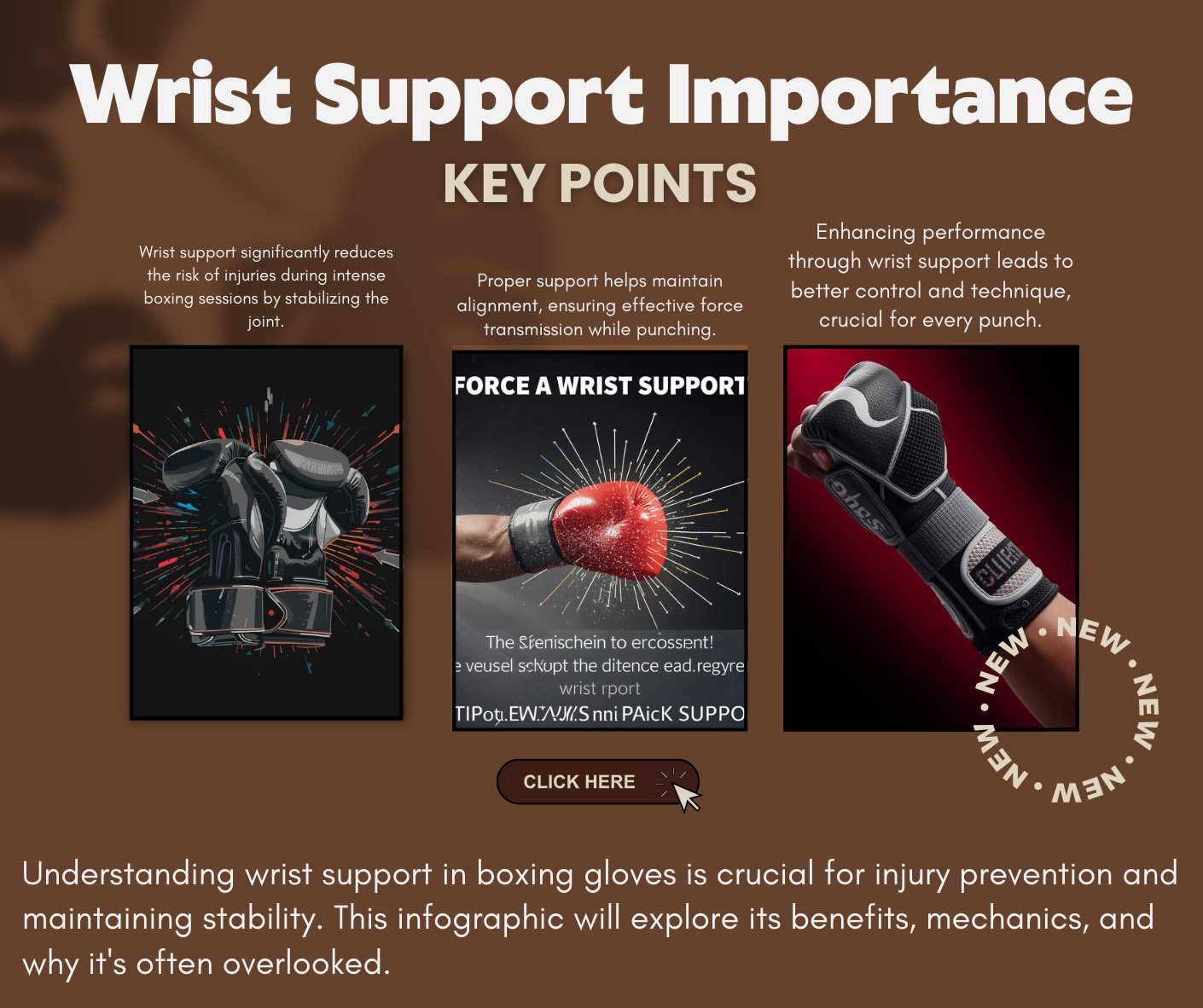
Why Wrist Support Is Essential in Boxing Gloves
Why Wrist Support Is Essential in Boxing Gloves Introduction – The Hidden Hero of Boxing Gloves Most people buy boxing...


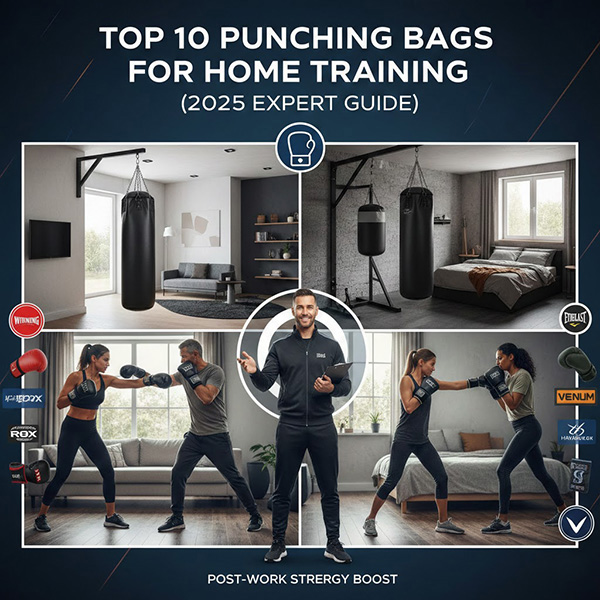
Let’s be honest. You’ve pictured it. That perfect, post-work stress melts away or the morning energy boost, all just a few steps away in your own garage, spare room, or even living room corner. No commute, no crowded gym, just you, your goals, and the rhythmic thud of progress. The heart of this home fitness dream? Often, it’s a trusty punching bag.
But then you start looking, and the dream hits a wall of confusion. Leather or a synthetic? Heavy bag or freestanding? How do you even hang the thing? It feels less like choosing equipment and more like decoding a secret language.
That’s where this guide comes in. I was hoping you could think of me as your experienced corner coach, here to cut through the noise. We won’t just list bags; we’ll match you with the perfect training partner for your story, your space, and your ambitions. Let’s find the bag that makes you excited to train.
If you’ve ever thrown a punch in your living room—just to shake off stress or test your jab—you already understand why punching bags have become one of the fastest-growing home-fitness essentials of 2025. They don’t require much space, they’re incredibly effective for cardio and strength, and they provide a rush you can’t get from dumbbells or treadmills. And when you pair the right punching bag with the right boxing gloves, your home transforms into a personal fight camp.
But choosing the best punching bag for home training isn’t as simple as clicking “add to cart.” Every bag reacts differently, trains you differently, and requires a specific setup. Whether you’re a beginner searching for a dependable heavy bag or someone who already owns multiple pairs of boxing gloves—Winning, Grant, Cleto Reyes, Hayabusa, Venum, Everlast, RDX, and more—this guide will walk you through every detail with the ease of a coach explaining things in your corner.
So let’s step into the ring and explore the punching bags that actually deserve a place in your home.
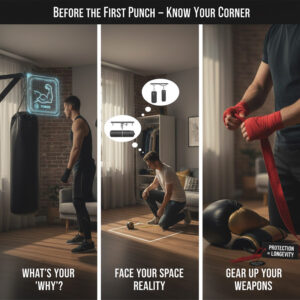
Throwing a credit card at the first bag you see is a surefire way to end up with an expensive clothes hanger. Successful home gyms are built on a little planning. Ask yourself these three questions:
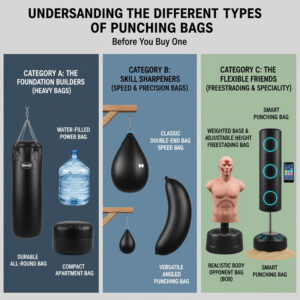
Not all bags are created equal. Each type is a specialist, designed for a particular aspect of your training. Choosing a punching bag without understanding the categories is like buying the best boxing gloves for sparring and using them on a 150-lb heavy bag—you’ll ruin them in no time. Every bag has its purpose, personality, and training focus.
Not all bags are created equal. Each type is a specialist, designed for a particular aspect of your training. Choosing a punching bag without understanding the categories is like buying the best boxing gloves for sparring and using them on a 150-lb heavy bag—you’ll ruin them in no time. Every bag has its purpose, personality, and training focus.
Heavy Bags (Classic Hanging Bags)
This is the iconic gym staple. It’s the heavy, cylindrical bag you imagine when you think of boxing training. Filled with dense materials like fabric or sand, it’s designed to absorb powerful punches and kicks, building strength, stamina, and fundamental technique. It’s your go-to for practicing combos and learning how to truly sit down on your punches.
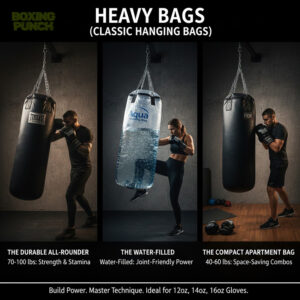
When people imagine a punching bag, this is usually what comes to mind. A heavy bag hangs from the ceiling, giving you real resistance for power shots, uppercuts (if long enough), and Muay Thai knees. These bags are perfect if you’re training with 12 oz, 14 oz, or 16 oz boxing gloves—especially if you use brands known for durability like Title Boxing, Everlast, Hayabusa, or Rival Boxing Gloves.
Most heavy bags weigh between 70–150 lbs. Beginners tend to love the 70–100 lb range, while advanced strikers and conditioned fighters use 120–150 lb bags for greater resistance.
Free-Standing Punching Bags
No installation needed. These bags have a heavy, often water- or sand-filled base with a flexible shaft and a bag on top. They’re fantastic for renters, multi-use rooms, or anyone who hates drilling into walls. The trade-off? They can “walk” across the floor with powerful strikes and have a different rebound feel than a hanging bag.
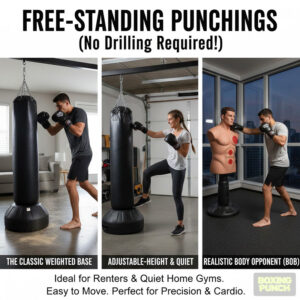
If drilling holes in the ceiling isn’t an option, a free-standing punching bag becomes your best friend. These bags have a weighted base (sand or water), making them ideal for apartments or garages. They’re also quieter than hanging bags, which matters if your downstairs neighbors already think you’re jumping rope at midnight.
Double-End Bags
This small, ball-shaped bag is anchored by elastic ropes at the top and bottom. When you hit it, it snaps back erratically. Don’t let its size fool you—this bag is a master teacher of accuracy, rhythm, head movement, and lightning-fast reflexes. It’s less about power and all about finesse and timing.
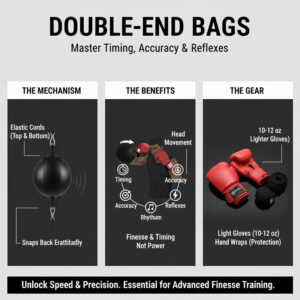
Light, springy, and brutally honest. A double-end bag tests your timing, accuracy, and rhythm. If you’ve ever watched Ryan Garcia drill rapid-fire combinations, you’ve seen this bag in action. You’ll need lighter gloves, like 10–12 oz, for this type to keep your movement sharp and fast.
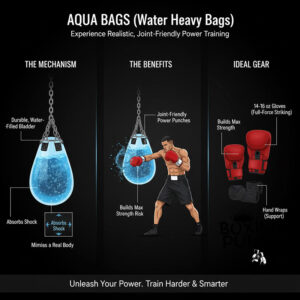
Aqua Bags (Water Heavy Bags)
These have exploded in popularity because they mimic the feel of hitting a real body. Aqua bags absorb shock so well that even beginners feel confident throwing power punches without fear of hurting their wrists. They’re incredible with 14–16 oz gloves since they encourage full-force striking.
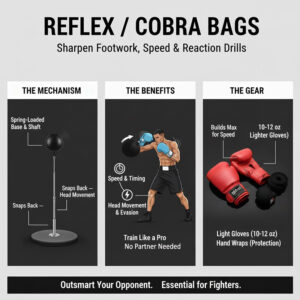
Reflex / Cobra Bags
Reflex bags are built for footwork, speed, and reaction drills. They strike back when you punch them—literally—so you learn head movement along with offense. These are great for anyone who wants to train like a pro without needing a sparring partner.
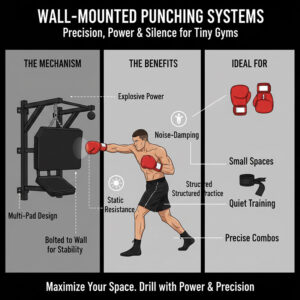
Wall-Mounted Punching Systems
Perfect for tiny home gyms. They don’t swing, don’t make much noise, and still allow explosive power training. Boxing athletes who prefer structured, precise practice enjoy these systems.
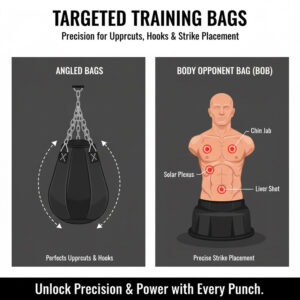
Angled Bags & Body Opponent Bags (BOBs).
These are for targeted training. Angled bags (like tear-drop shapes) allow you to practice uppercuts and hooks at their proper angles. BOBs are human torso dummies mounted on a base, perfect for practicing precise strike placement on a “body,” from liver shots to chin jabs.
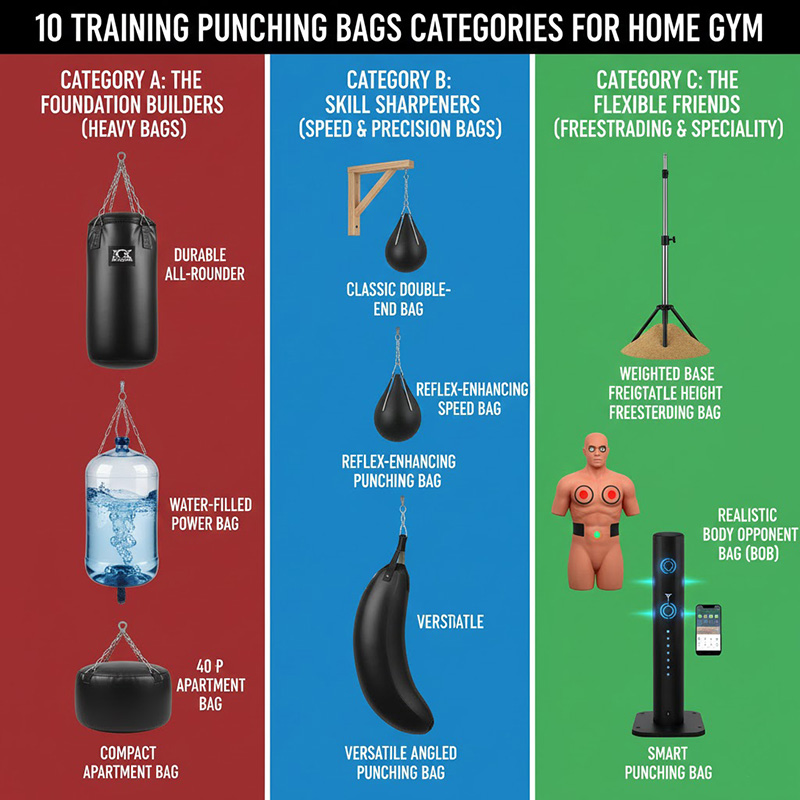
Instead of a simple ranking, here are ten excellent options categorized by the role they play in your home gym. Consider which category fits your “why.”
Category A: The Foundation Builders (Heavy Bags)
Category B: The Skill Sharpeners (Speed & Precision Bags)
Category C: The Flexible Friends (Freestanding & Specialty)
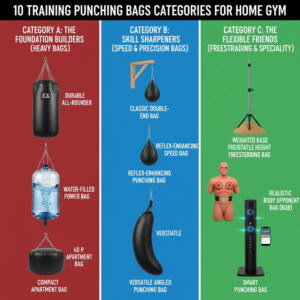
You can buy the best boxing gloves in the world—Winning, Grant, Cleto Reyes, Fairtex, Venum Elite, Hayabusa T3—but if your punching bag isn’t suited for your training style, you’ll feel the mismatch instantly. Here’s what really matters:
Weight and Resistance
The heavier the bag, the more stable it feels.
The lighter the bag, the more it swings.
Beginners often choose 70–100 lb bags because they’re easier on the wrists and require less force. Heavier hitters go 120–150 lbs to build knockout power.
And yes, your glove size affects bag training. For example:
Material Quality
Punching bags come in:
Leather heavy bags age beautifully but cost more. Vinyl bags are affordable and handle sweat well. Microfiber blends, seen in modern bags like Venum and RDX, balance durability with cost.
Mounting, Space, and Noise
If you live in an apartment, drilling into the ceiling isn’t realistic. A free-standing punching bag or wall-mounted system solves that problem. Hanging bags, however, give a more realistic boxing feel with natural swing.
Installing ceiling mounts, spring mounts, or bag swivel chains can reduce vibration and noise dramatically.
Shock Absorption & Fill Type
You’ll see fills like:
Aqua bags are the gold standard for reducing hand impact. If you value your wrists and knuckles—especially when using lighter gloves or doing long sessions—shock absorption becomes essential.
Budget Range
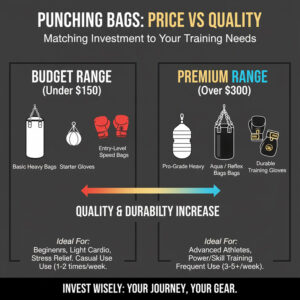
There are great punching bags under $150 and incredible ones above $300. What matters is matching the price to your usage. A beginner doesn’t need the same equipment as someone who trains five days a week.
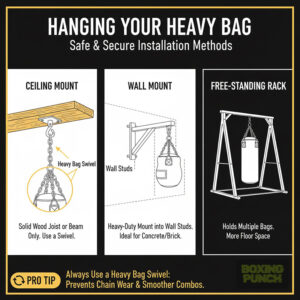
If you choose a hanging bag, installing it correctly is critical for safety and performance. Never hang a heavy bag from a drywall ceiling or a weak beam. You must find a solid ceiling joist or install a heavy-duty wall mount into wall studs. For ultimate flexibility and safety, consider a free-standing heavy bag rack—they take up more floor space but require no installation and can hold multiple bags.
A pro tip: Always use a heavy bag swivel between the chain and the bag. This small piece of hardware allows the bag to rotate freely, preventing the chains from twisting and wearing out, and making your combinations feel much smoother.
Here is the heart of the guide — your complete breakdown of the best punching bags for home use, written in a detailed, narrative style.
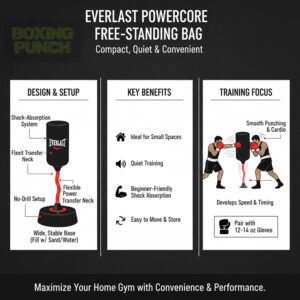
The Everlast Powercore continues to dominate home gyms because it’s compact, quiet, and incredibly easy to set up. If your training space is limited, or you want something you can move around, this bag lands in the sweet spot between convenience and performance.
It’s especially beginner-friendly since it absorbs shock well and doesn’t swing wildly. Paired with 12 oz or 14 oz gloves, it offers a smooth training experience without feeling too stiff.
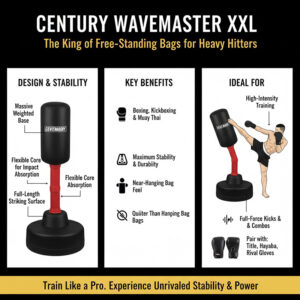
This is the king of free-standing bags. The base is massive and designed to stay put even when heavy hitters unload combinations. Whether you’re practicing boxing, kickboxing, or Muay Thai kicks, the Wavemaster XXL gives you a stable and forgiving surface.
Because of its size, it feels closer to a hanging heavy bag than any other free-standing option. Many users pair it with Title Boxing Gloves, Hayabusa T3s, or Rival bag gloves for high-intensity training.
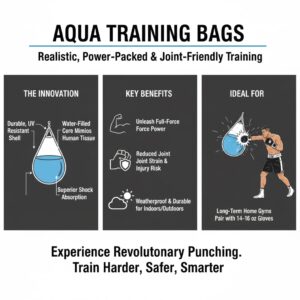
Aqua bags changed the punching world. With water-filled centers that mimic natural human resistance, the strikes feel powerful but safe. They’re ideal for anyone who wants to unleash full force without worrying about wrist strain.
These bags are incredible with 14–16 oz gloves—especially if you train at home and want long-term durability. They’re weatherproof, making them excellent for outdoor setups too.
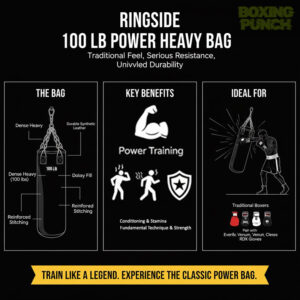
Ringside has been making durable gear for decades, and their 100-lb bag is the perfect fundamental punching bag. The dense fill offers serious resistance, making it ideal for power training and conditioning.
This bag is best suited for boxers who want a traditional feel. It pairs well with Everlast, Venum Elite, Cleto Reyes, or RDX bag gloves.
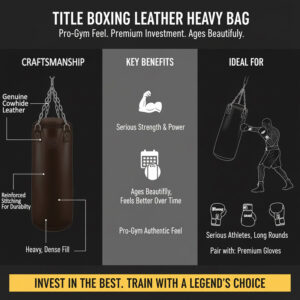
If you want a bag that feels like the ones used in pro gyms—Title’s leather heavy bag is the closest you’ll get. Real leather ages beautifully and becomes even more comfortable with time. It’s a long-term investment for serious athletes.
Combine it with high-quality gloves like Winning, Grant, or Hayabusa when training for long rounds.
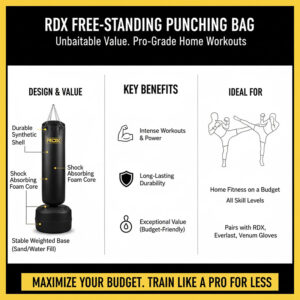
This is one of the best-value punching bags on the market. RDX focuses on shock-absorbing foam and long-lasting synthetic leather, making it perfect for intense home workouts without spending a fortune.
If you’re on a budget but still want quality comparable to top-tier brands, RDX is hard to beat.
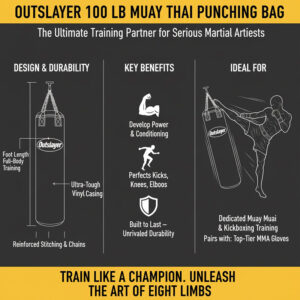
Outslayer has a cult following among Muay Thai athletes because their bags are built long, stable, and incredibly tough. The 6-ft design is perfect for knees, kicks, elbows, and boxing combinations.
If you’re serious about martial arts training at home, this bag will quickly become your favorite.
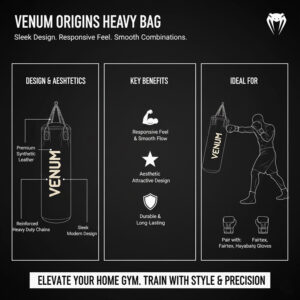
The athletic and sleek design of the Venum Origins bag has made it one of the most attractive home gym bags of the year. Beyond aesthetics, it has a responsive feel that makes combinations flow smoothly.
Users who prefer Venum boxing gloves, Fairtex Thai gloves, or Hayabusa gloves love how compatible the striking surface feels.
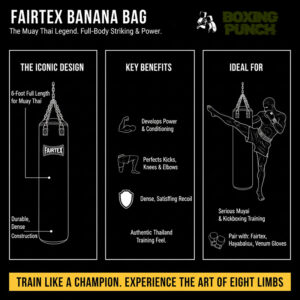
This bag is an icon. If you’ve ever trained in Thailand or watched Muay Thai fighters strike long, lean bags during camp—you’ve seen the Fairtex Banana Bag.
Its length allows for kicks, knees, teeps, and elbows while providing a dense, satisfying recoil with every punch.
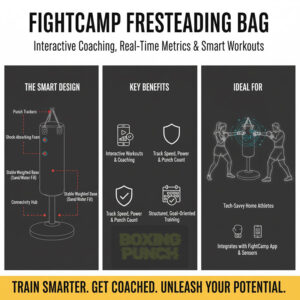
For people who love structured workouts, real-time metrics, and interactive coaching, the FightCamp bag is the ultimate “smart” punching bag. It’s designed to integrate with sensors that track punch count, speed, and power.
It’s the best choice for users who want professional-level structure right at home without hiring a coach.
Your punching bag is only half of your setup. The other half is your boxing gloves—and choosing the wrong pair is one of the fastest ways to injure yourself. You’ve probably seen hundreds of glove names online—Winning, Cleto Reyes, Hayabusa T3, Everlast Powerlock, Venum Elite, Grant Boxing Gloves, Rival RS100s—and wondered what actually matters.
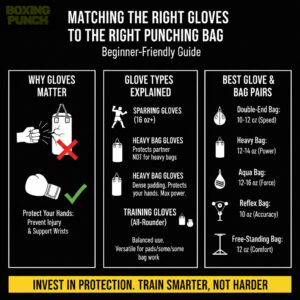
Here’s the breakdown:
Why Gloves Matter
Punching bags are tough. Without proper wrist support or padding, your knuckles take the damage. Bag gloves are designed with firm padding to handle repeated impact, unlike softer sparring gloves.
Heavy Bag Gloves vs Training Gloves vs Sparring Gloves
Most people have no idea that sparring gloves (16 oz) are not meant for heavy bags. They’re designed to protect a partner’s face—not withstand dense bag resistance. Heavy bag gloves or training gloves offer denser padding and better longevity.
Best Glove Types for Each Bag
Top Glove Brands for Bag Training
These brands hold up exceptionally well on heavy bags:
High-end users often choose Winning or Grant gloves, but these are typically too soft for heavy bag work unless you’re extremely careful.
Setting up your bag is part of the training experience. Hanging a heavy bag from the ceiling creates the most authentic feel, but not everyone has reinforced beams. If drilling isn’t possible, free-standing bags become the next best option.
You need at least a few feet of space around the bag so you can move freely. A quiet, shock-absorbing mount or base also helps keep neighbors happy. Many people add a rubber floor mat under their bag to reduce vibration, sound, and slipping.
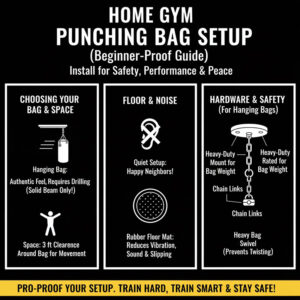
If you’re using a hanging system, install a proper heavy bag mount rated for your bag’s weight. Chains and swivels help the bag move naturally, improving your training experience.
Before throwing full-power shots, always warm up. Light shadowboxing activates your shoulders and hips, reducing injury risk. Beginners should focus on simple jab–cross combinations before adding hooks and uppercuts.
Once you’re comfortable, try interval training—three-minute rounds with 45-second breaks. You’ll improve conditioning, timing, and accuracy. For more advanced users, adding footwork drills or head-movement patterns turns your home training into a well-rounded workout.
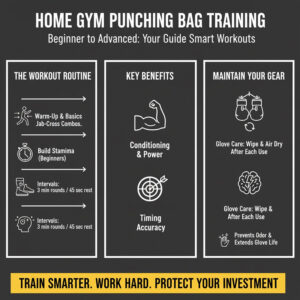
Finally, maintain your gloves. Wipe them down after each session and air them out. A simple routine prevents odor and extends glove life dramatically.
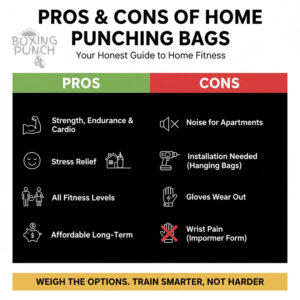
Pros & Cons of Punching Bags at Home
Pros
Cons
Your perfect punching bag isn’t the one with the most reviews or the highest price tag. It’s the one that aligns with the story you want to tell in your home gym. It’s the bag that fits your life, challenges you appropriately, and makes you want to come back for one more round.
Whether it’s the solid thud of a heavy bag releasing your daily stress, the rapid-fire rhythm of a speed bag sharpening your mind, or the flexible convenience of a freestanding unit that respects your space, the right partner is out there. Now that you’re armed with the knowledge, you can step into the marketplace with confidence. Your corner of the world is waiting. Time to answer the bell.
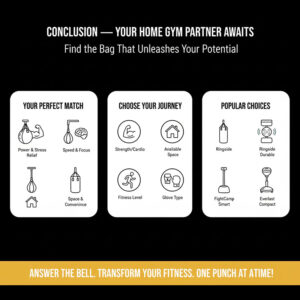
As we know, choosing the right punching bag is a personal decision. So your training goals, available space, fitness level, and preferred glove type all play a role. Whether you want the durability of the Ringside 100 lb bag, the smart features of the Fight Camp bag, or the convenience of the Everlast Power core, there’s a perfect match for you on this list.
A punching bag becomes more than equipment. It becomes your training partner, your stress outlet, and the centrepiece of your home gym. Combine it with the right gloves, and you’re ready to transform your fitness journey—one punch at a time.
Most beginners do well with a 70–100 lb bag. It’s heavy enough for resistance but light enough to avoid wrist strain.
Free-standing bags are better for apartments or limited space. Hanging bags offer a more realistic boxing feel and better swing.
Most people use 12 oz or 14 oz gloves for bag work. Sparring gloves (16 oz) are not ideal for heavy bags.
Yes, Aqua Bags absorb shock extremely well, making them wrist-friendly and ideal for new boxers.
No. Punching bags are unisex. What matters is weight, fill type, and training goals.
With proper care, heavy bags last 5–10 years. Leather bags often last the longest.
Light free-standing bags or 40–60 lb hanging bags work best for young athletes.
Why Wrist Support Is Essential in Boxing Gloves Introduction – The Hidden Hero of Boxing Gloves Most people buy boxing...
Transform Your Home, Transform Your Fitness Level Top 10 Punching Bags for Home Training (Expert Guide 2025) Let's be honest....
Plyometrics for Boxing Science vs Myths Plyometrics aren’t about jumping higher — they’re about firing muscles faster. Boxing relies heavily...